Commercial Mold Removal: Protecting Your Business and Your People
Mold in a commercial building is a different beast from the fuzzy patch you might scrub off a bathroom wall at home. When I walked into a small office building last spring and saw a musty smell that clung to every file cabinet and fabric chair, I knew the problem ran deep. Commercial mold removal isn't just about making a space look clean. It is about protecting the health of employees, customers, and tenants, and preserving the structure itself.
In a commercial setting, the stakes are higher. You have more square footage, more people breathing the air, and more complex systems like HVAC ducts and crawlspaces where mold can hide. The first step is a thorough mold inspection, and I cannot stress enough how important it is to bring in someone who understands commercial construction. A residential inspector might miss the signs in a drop ceiling or behind a built-in shelving unit.
Why Commercial Mold Removal Differs from Residential Work
The scale alone changes the game. A typical house has a few thousand square feet. A commercial property might have tens of thousands. The air handling systems are larger, the building materials are often different, and the occupancy patterns vary. In a retail space, you might have customers coming and going all day. In an office, you have workers sitting in the same spot for eight hours. In a warehouse, you might have high humidity from stored goods or equipment. Each scenario demands a tailored approach.
Another key difference is the regulatory layer. When I worked on a project for a medical office, we had to coordinate with OSHA guidelines for worker safety and ensure that the indoor air quality met standards for a healthcare environment. The EPA provides guidance on mold remediation, but local codes can add their own requirements. Commercial mold removal often involves a written protocol, containment zones, and negative air pressure machines to prevent spores from spreading during the work.
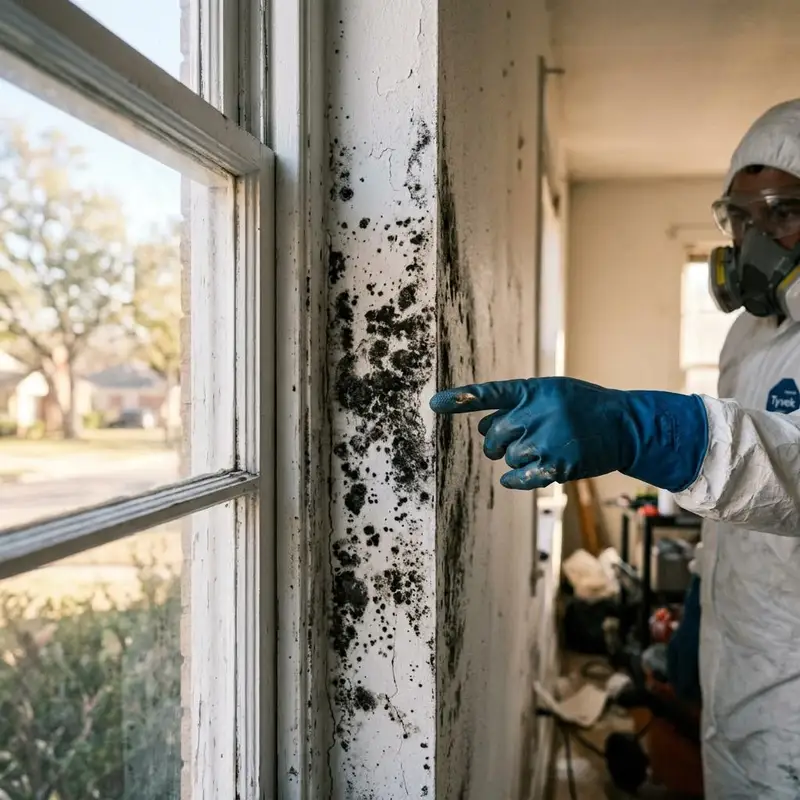
The Hidden Havens: Where Mold Thrives in Commercial Buildings
I have found black mold, specifically Stachybotrys chartarum, growing behind vinyl wall covering in a restaurant kitchen where a leaky pipe had gone unnoticed for months. That particular species is toxigenic and can produce mycotoxins. It is not the only culprit. Aspergillus and Penicillium species are common indoors and can trigger allergic reactions and respiratory issues. In one office building, we found Penicillium colonizing the fiberglass liner inside an HVAC system. Every time the heat came on, spores were blown into the occupied spaces.
Moisture control is the single most effective prevention strategy. If you can keep the relative humidity below 60 percent, most mold species cannot grow. A dehumidifier in a basement or crawlspace can make a huge difference. I have also seen crawlspaces with standing water from poor drainage that had to be dried out and sealed before any remediation could begin.
The Remediation Process: More Than Just Scrubbing
True mold remediation is a systematic process. It begins with identifying the moisture source and fixing it. If you only clean the visible mold and do not stop the water intrusion, the problem will return. After that, the affected materials must be removed or cleaned. Porous materials like drywall and ceiling tiles usually need to be cut out and replaced. Non-porous surfaces can be treated with a fungicide or biocide.
Bleach is a common household mold killer, but I rarely recommend it for commercial work. Bleach is mostly water, and on porous surfaces the water can actually feed mold deeper into the material. White vinegar is better for some non-porous surfaces, but for commercial jobs we typically use an EPA-registered fungicide or biocide that is designed for the specific mold species and material. Boric acid can be useful on wood framing, especially in crawlspaces, because it penetrates the wood and provides long-term protection.
During the work, containment is critical. We set up plastic sheeting, use HEPA-filtered air scrubbers, and workers wear proper PPE. The goal is to remove the mold without spreading it to other parts of the building. After the physical removal, we fog the area with a biocide to kill any remaining spores, then run HEPA-filtered negative air machines for at least 24 hours before testing the air quality.
Indoor Air Quality and Health Considerations
Mold spores are everywhere outdoors, but indoors they should be controlled. When indoor air quality suffers from mold, you see it in the complaints: headaches, fatigue, coughing, itchy eyes. For businesses, that means lost productivity and potential liability. I have been called into office buildings where half the staff was reporting symptoms, and the cause was a hidden mold problem in the HVAC system.
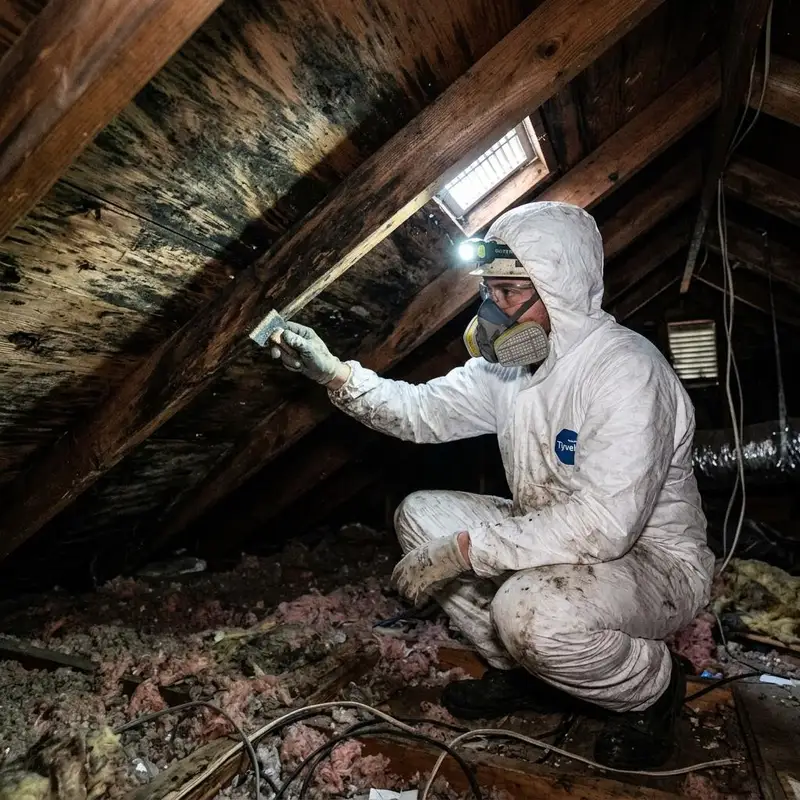
OSHA has no specific standard for mold exposure, but the agency can cite employers under the General Duty Clause if workers are exposed to recognized hazards. The EPA offers guidelines, and many states have their own standards for schools and public buildings. A professional mold inspection will include air sampling and surface sampling to identify the species and concentration. This data guides the remediation plan and provides a baseline for verifying that the work was successful.
Practical Tips for Property Managers and Business Owners
If you suspect a mold problem, do not ignore it. The longer it sits, the more it spreads and the more expensive commercial mold removal becomes. Here are a few steps you can take before calling in a professional:
- Check for visible water stains, peeling paint, or buckling drywall. These are signs that moisture is present.
- Sniff for musty odors, especially in basements, storage areas, and near HVAC vents.
- Look at your HVAC system. Are the drip pans clean? Is the drain line clear? Is the filter a HEPA filter or at least MERV 8 or higher?
- Monitor humidity levels. A simple hygrometer costs little and can alert you to trouble.
- Fix leaks immediately. Even a slow drip behind a wall can create a perfect environment for mold.
Once you hire a remediation company, ask about their process. Do they use HEPA-filtered vacuums? Do they set up containment? Do they seal off the work area from the rest of the building? A reputable company will have a written protocol and will be happy to explain it.
The Cost of Delaying Commercial Mold Removal
I have seen a small leak behind a sink turn into a $50,000 remediation project because the business owner waited six months. Mold spreads. It does not stay in one spot. It goes through drywall, into insulation, and up into the air handling system. By the time you see it on the surface, it has already been growing for weeks or months behind the wall.
Beyond the financial cost, there is the human cost. Employees who become sick may file workers' compensation claims or even lawsuits. Tenants may break leases. Customers may stop coming if the building smells musty. In the worst cases, the building can be condemned until the problem is resolved. Commercial mold removal is an investment in your business's future, not an expense.
Final Thoughts from the Field
I have been doing this work for over a decade, and I still find new surprises. One time we opened a wall in a warehouse and found an entire colony of Aspergillus growing on old cardboard boxes that had gotten wet. The owner had no idea. He thought the smell was just "warehouse smell." After we cleaned it up and fixed the roof leak, the indoor air quality improved dramatically, and his employees reported feeling better within a week.
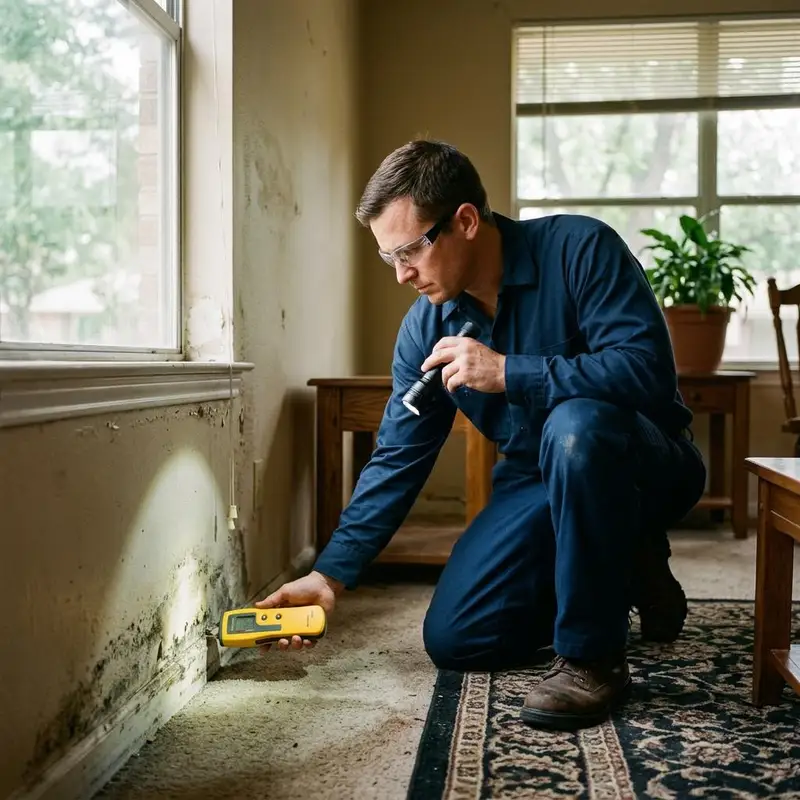
If you manage a commercial property, make mold inspection part of your regular maintenance routine. Catch the small problems before they become big ones. And if you need professional help, choose a company that understands the unique challenges of commercial buildings. They will know how to handle the HVAC system, the crawlspace, the drywall, and the regulations. They will use the right tools, from HEPA filters to biocides, and they will do the job right the first time.
Mold is not something to take lightly. But with the right approach, you can protect your building, your people, and your peace of mind.